
When the Wound Is Older Than the Sin
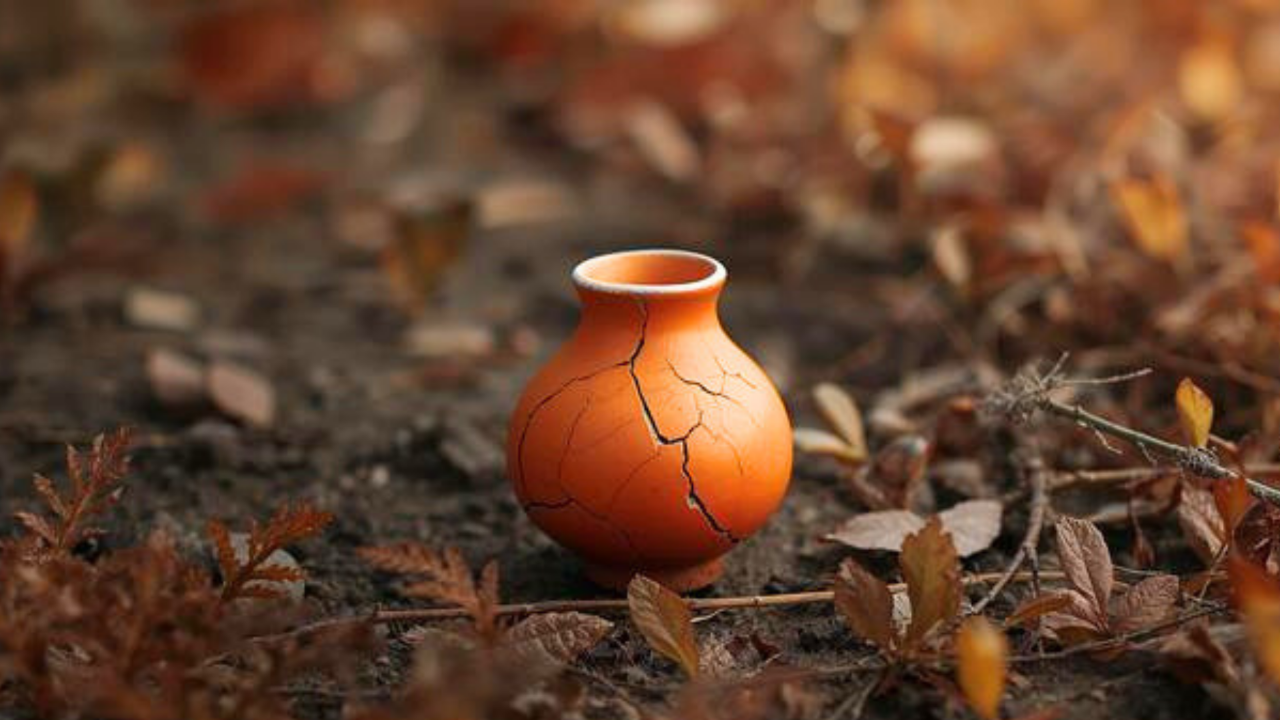
There is a question we need to answer, but it's an unfamiliar question because it requires real courage to go there. The question is this: What did you come to believe about yourself before you knew it was a belief?
Not what you believe now. Not what you would say if someone asked you directly. But what did you absorb from your childhood: the wounds you accumulated and the moments that marked you before you had language for them? Questions like who you are, whether you were safe, where you were loved, and whether you could be truly known without being abandoned relationally?
That is Step 3. And it is the layer that reveals the lies we have come to feel about ourselves.
The Wound Beneath the Behavior
In Step 1, you named the behavior. In Step 2, you found the thought beneath it. Step 3 goes one layer deeper. A formative experience, or a pattern of experiences, that taught you something false — about yourself, about others, about God — and that has been shaping your false identity and therefore your behaviors ever since.
The wound is almost never dramatic in the way we expect wounds to be. Sometimes it is. Sometimes there is a specific event — a moment of abuse, a profound loss, a shattering betrayal — that sits at the root of everything downstream. But more often, the wound is quieter than that. It is the message someone communicated through a thousand small moments that love was conditional. It is the absence of a voice that should have told you that you were enough. It is the environment that trained you to manage or regulate emotions rather than feel them, to perform rather than simply be, to earn what should have been freely given.
It's easy to forget that we are human beings, not human doings. This one shift in awareness is liberating.
Wounds that are quiet are no less impactful when they don't scream at us. They are often more formative because they never announced themselves as wounds. They simply became the water you swam in — invisible because they were everywhere.
What the Psalms Know About This
The psalmist did not avoid his wounds. He named them with a frankness that makes many of us uncomfortable — not because the psalms are theologically unsophisticated, but because they are emotionally honest in a way that our sanitized spirituality has largely abandoned.
Psalm 22 is remarkably different from Psalm 23, which begins with The Lord is my shepherd. Twenty-two begins with My God, my God, why have you forsaken me? That is David — "a man after God's own heart" speaking. He went to the deepest place of his experience and named what he found there — not for the sake of despair, but for the sake of honesty. And these are the words of Christ, as he hung dying on a cross for our rebellion and sin against God.
Step 3 is an invitation into that same honesty that leads to a clear-eyed, Spirit-led self-knowledge that makes real healing possible rather than managed.
The Lie at the Center
Wounds produce lies. Every wound produces a belief. Not a conscious, articulated belief but an embedded one. A conclusion drawn in the moment of wounding about what was true and what one would have to do to survive.
Fallacies like:
- I am not safe unless I am in control.
- I am only valuable when I am performing.
- The people I love will eventually leave.
- I cannot risk being fully known.
Those false beliefs, held below the level of conscious theology, often completely contradict what a person would affirm scripturally.
Step 3 is the work of finding the infected wounds that need healing.
This Is Not the Work of One Afternoon
I want to be honest about the pace of this work. The wound is not always visible at first glance. It requires the kind of patient, Spirit-led self-examination Henri Nouwen described as careful, ongoing attentiveness to all that moves in the soul.
This is why the Icebergology Life Group exists. Not to rush people toward a quick answer, but to create the kind of sustained, safe, spiritually grounded community in which this kind of descent becomes possible over time. The wound did not form in a single moment. The healing does not happen in a single session. But it does happen — for those who are willing to go to the places where the healing waits.
If something in this post stirred you, that stirring is worth following.
Learn more about the Life Group and how to join → https://www.icebergology.com/life-group
If you missed last week’s step, you can read it here: https://www.icebergology.com/blog/the-story-youve-been-telling-yourself